Blog / Article

How SaaS Marketing Changes Before 2026 Hits

Shan Serran
Shan Serran
November 10, 2025

By 2026, half your traffic disappears.

Not because you failed. Because search itself transformed.

Right now, 58.5% of Google searches end without a click. Your ultimate guides and pillar content? They're answering questions inside search results and AI engines. Users get their answers without ever reaching your site.

That's not a future problem. That's happening now.

And it's just one of several shifts rewriting how SaaS companies attract, convert, and retain customers. If you're still optimizing for 2024's playbook, you're already behind.

Here's what you need to know and what you need to do about it.
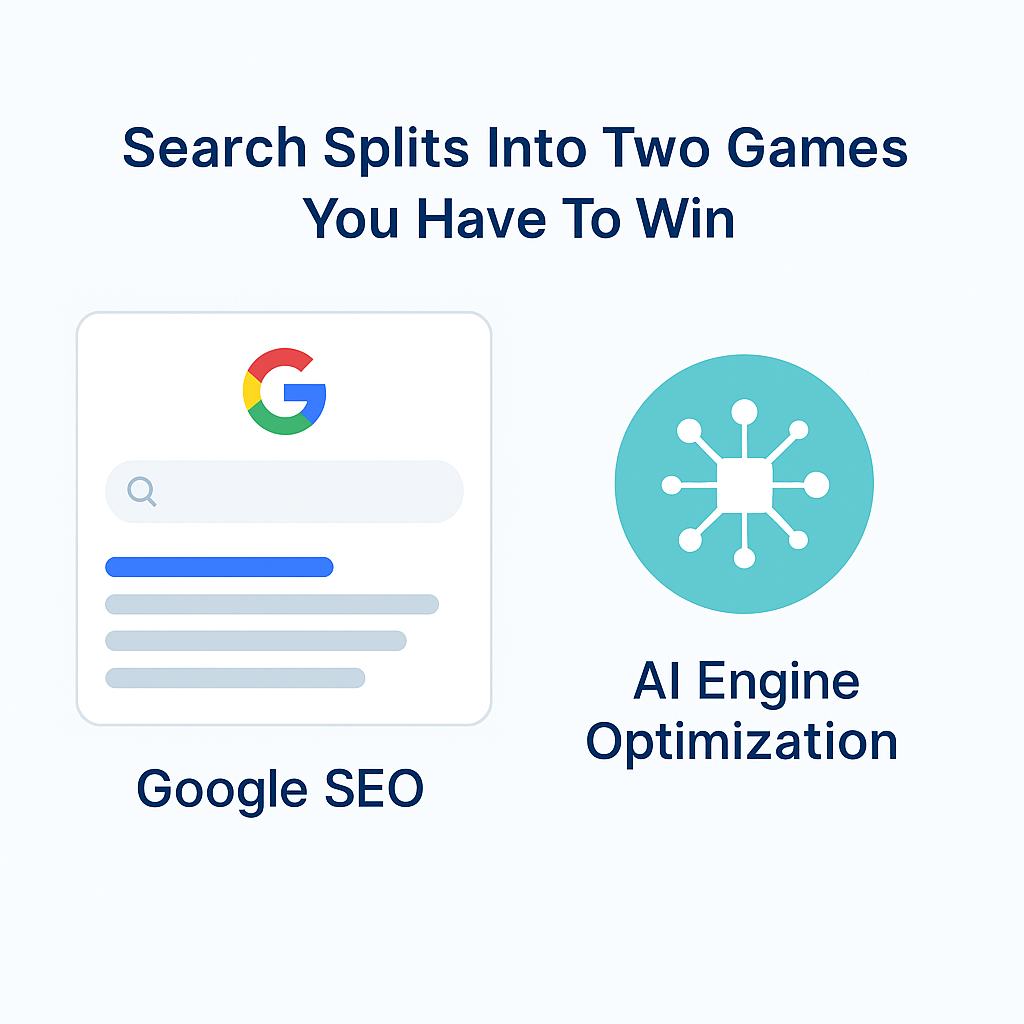
Search Splits Into Two Games You Have To Win

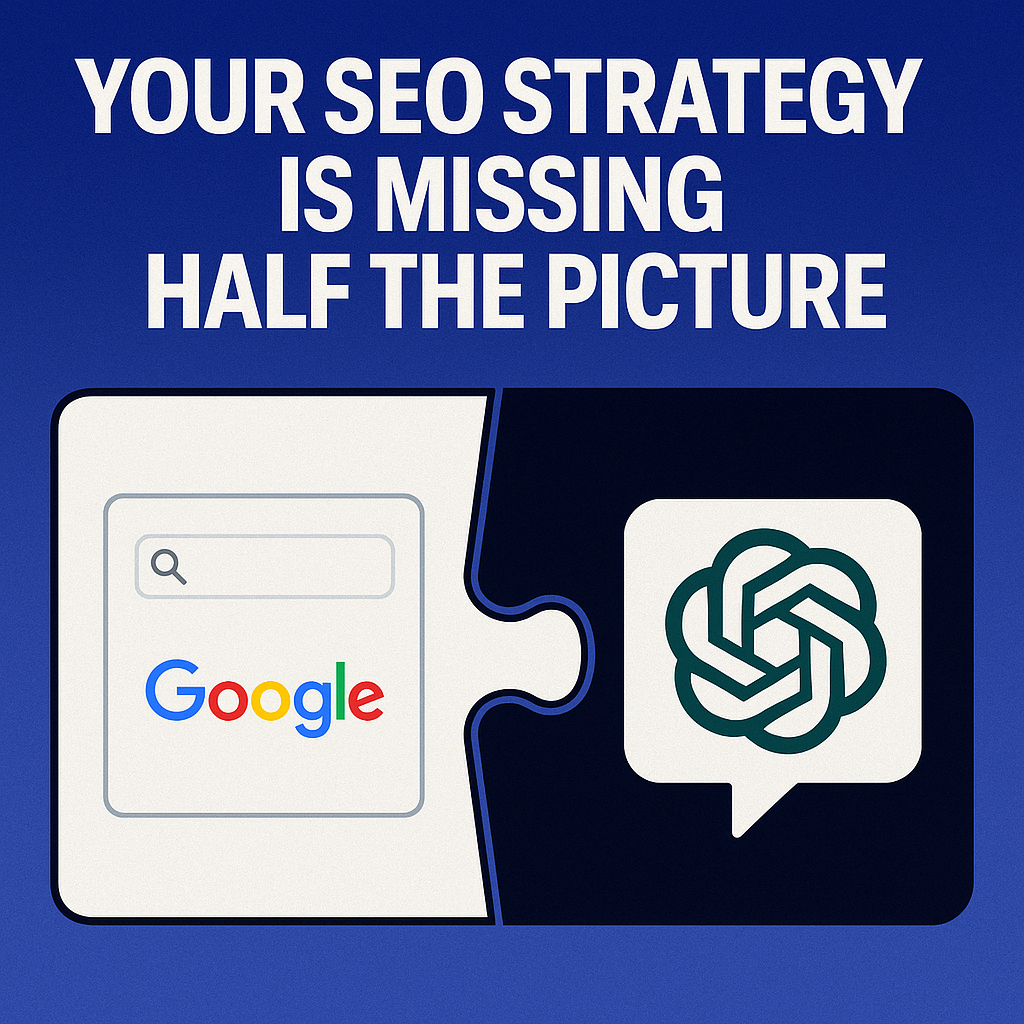
Google SEO and AI Engine Optimization are becoming separate disciplines.

You can't ignore either one.

The data shows something interesting. 76% of AI traffic overlaps with Page 1-3 Google results. Translation: if you're invisible in Google, you're basically invisible in ChatGPT and Perplexity too.

But here's where it gets tricky. The content that ranks in traditional search doesn't always perform in AI engines. AI tools prioritize different signals like structured data, clear authority markers, and content that directly answers specific queries.

Your strategy needs to address both.

Start by auditing where your target buyers actually search. Are they asking ChatGPT for vendor comparisons? Are they using Perplexity to research solutions? Track these patterns now because they're accelerating fast.

Then optimize for both channels. That means maintaining strong traditional SEO fundamentals while also structuring content for AI consumption. Think comparison pages, alternative listings, and buyer-stage specific content that feeds both search ecosystems.

The companies that win in 2026 will be the ones who stopped choosing between Google and AI optimization and started doing both.

Your CAC Is Climbing And AI Might Fix It

Customer acquisition costs keep rising.

B2B SaaS CAC averages now range from $239 to $702 depending on your segment and methodology. That's a significant chunk of your budget just to acquire one customer.

But there's a counter-trend emerging. McKinsey found that companies using AI for marketing automation reduce CAC by 25%.

That's not a marginal improvement. That's the difference between sustainable growth and burning cash.

The key is knowing where to apply AI and where to keep human strategy in control. AI excels at repetitive tasks like email sequencing, ad optimization, audience segmentation, and performance analysis. It struggles with strategic positioning, authentic storytelling, and understanding nuanced buyer psychology.

Smart SaaS teams are using AI to handle the tactical execution while keeping humans focused on strategy and creative direction.

Your 2026 marketing stack should automate the repetitive stuff. But it needs human oversight on messaging, positioning, and strategic decisions. That balance is what separates companies that scale efficiently from those that just scale expensively.

Product-Led Growth Becomes The Default Model

PLG isn't experimental anymore.

91% of SaaS companies with over $50 million in ARR have adopted product-led growth. And 91% of those are increasing PLG investment in 2025.

The model works because it aligns with how buyers actually want to evaluate software. They want to try before they buy. They want to experience value before committing budget.

Product-led companies grow 50% year-over-year. Traditional SaaS companies grow at 21%. That gap is too significant to ignore.

But PLG requires different marketing. You're not just driving traffic to landing pages. You're driving qualified users into product experiences that convert them through value delivery, not sales pitches.

Your funnel needs to optimize for activation, not just sign-ups. Your messaging needs to highlight quick wins, not comprehensive feature lists. Your content needs to support user success, not just awareness.

By 2026, the question won't be whether to adopt PLG. It will be how well you execute it compared to competitors who are already there.

Personalization Stops Being Optional

Generic messaging dies in 2026.

Buyers expect experiences tailored to their specific role, industry, and stage. They're not impressed by broad value propositions anymore. They want to see exactly how your solution solves their particular problem.

The technology to deliver this exists now. You can segment based on behavioral data, not just demographic data. You can trigger campaigns based on product usage patterns, content engagement, and buying signals.

But personalization only works when you have clarity on buyer stages and use cases. You need to map your content and messaging to specific segments. You need to understand what different personas care about at different points in their journey.

This requires more than marketing automation. It requires strategic thinking about your audience and disciplined execution across channels.

Companies that nail personalization see 20-30% improvement in conversion rates. That's not because the technology is magic. It's because relevant messaging always outperforms generic messaging.

Start by defining your core segments. Then map content and campaigns to each segment's specific needs. Test and refine based on actual conversion data, not assumptions.

Your Content Strategy Needs A Complete Rebuild

Ultimate guides are dead.

Long-form content that tries to cover everything about a topic doesn't drive pipeline anymore. It gets summarized by AI. It answers questions in search results. It rarely brings users to your site.

The content that works in 2026 focuses on high-intent buyer queries. Think comparison pages, alternative listings, and use-case specific guides. Content that helps someone make a purchase decision, not just understand a concept.

This means shifting from educational content to evaluative content. From "What is demand generation?" to "Demand generation platforms for Series A SaaS companies."

Your content should map directly to buying stages. Awareness content still has a place, but it shouldn't dominate your strategy. Decision-stage content drives more pipeline with less traffic.

Build content around the questions buyers ask when they're ready to evaluate solutions. Use data from sales calls, support tickets, and user research to identify these questions. Then create content that answers them better than competitors.

The companies winning in 2026 will have content strategies built for conversion, not just traffic.

Economic Pressure Forces Brutal Clarity

Budget scrutiny isn't going away.

SaaS companies offering non-essential solutions face longer sales cycles, delayed renewals, and intense pricing pressure. Buyers are asking harder questions about ROI. They're requiring more proof before committing.

This environment punishes vague positioning. If you can't clearly articulate your value and differentiation, you lose to competitors who can.

Economic pressure actually creates opportunity for companies with sharp positioning. When budgets tighten, clear value propositions win. When everyone's cautious, the brands that communicate with precision and purpose capture disproportionate attention.

Use this moment to refine your messaging. Cut the fluff. Get specific about who you serve and what outcomes you deliver. Make your differentiation obvious, not subtle.

The companies that clarify their positioning now will gain market share while competitors stay generic and get ignored.

How To Prepare Your Marketing For 2026

You don't need to overhaul everything overnight.

But you do need to start moving in the right direction now.

First, audit your current visibility. Where do you rank in Google for buyer-intent keywords? Where do you appear in AI engine results? Identify the gaps.

Second, evaluate your content strategy. How much of your content is educational versus evaluative? Shift resources toward high-intent, decision-stage content that actually drives pipeline.

Third, look at your funnel data. Where are users dropping off? What's your activation rate for free trials or freemium users? Optimize for conversion at every stage, not just top-of-funnel traffic.

Fourth, assess your tech stack. Are you using AI for tactical automation while keeping human strategy in control? Are you capturing behavioral data that enables real personalization?

Fifth, test PLG motions. Even if you're not fully product-led, can you offer product experiences earlier in the buyer journey? Can you let users experience value before talking to sales?

The SaaS companies that scale through 2026 won't be the ones with the biggest budgets. They'll be the ones with the clearest strategy and the tightest execution.

The Real Shift Is Strategic, Not Tactical

Marketing tactics change constantly.

What matters more is strategic clarity. Knowing exactly who you serve, what value you deliver, and how you're different from alternatives.

The shifts happening between now and 2026 don't just require new tactics. They require better strategy. They require focus on metrics that actually matter, like pipeline and CAC payback, not vanity metrics like traffic and impressions.

They require marketing that's built for conversion, not just awareness.

That's the shift that separates companies that grow from companies that just spend. The ones that understand marketing exists to drive revenue, not just activity.

By 2026, the gap between strategic and tactical marketing teams will be obvious. The strategic ones will be scaling efficiently. The tactical ones will be wondering why their traffic doesn't convert.

You get to choose which side you're on.

Start making that choice now.

About the Author

Shan Serran

With experience of over 10 years in Digital Marketing, Shan has been helping businesses with SEO, SEM, and Social Media. He founded Veewz with the vision of providing transparency in the delivery of digital marketing services and better options for businesses of all sizes and domains. When he’s not working, Shan loves to spend time with his family, watch movies and support his favorite team the San Francisco Giants.

Related Article

How SaaS Marketing Changes Before 2026 Hits

Shan Serran
November 10, 2025
|

By 2026, half your traffic disappears.

Not because you failed. Because search itself transformed.

Right now, 58.5% of Google searches end without a click. Your ultimate guides and pillar content? They're answering questions inside search results and AI engines. Users get their answers without ever reaching your site.

That's not a future problem. That's happening now.

And it's just one of several shifts rewriting how SaaS companies attract, convert, and retain customers. If you're still optimizing for 2024's playbook, you're already behind.

Here's what you need to know and what you need to do about it.

Search Splits Into Two Games You Have To Win

Google SEO and AI Engine Optimization are becoming separate disciplines.

You can't ignore either one.

The data shows something interesting. 76% of AI traffic overlaps with Page 1-3 Google results. Translation: if you're invisible in Google, you're basically invisible in ChatGPT and Perplexity too.

But here's where it gets tricky. The content that ranks in traditional search doesn't always perform in AI engines. AI tools prioritize different signals like structured data, clear authority markers, and content that directly answers specific queries.

Your strategy needs to address both.

Start by auditing where your target buyers actually search. Are they asking ChatGPT for vendor comparisons? Are they using Perplexity to research solutions? Track these patterns now because they're accelerating fast.

Then optimize for both channels. That means maintaining strong traditional SEO fundamentals while also structuring content for AI consumption. Think comparison pages, alternative listings, and buyer-stage specific content that feeds both search ecosystems.

The companies that win in 2026 will be the ones who stopped choosing between Google and AI optimization and started doing both.

Your CAC Is Climbing And AI Might Fix It

Customer acquisition costs keep rising.

B2B SaaS CAC averages now range from $239 to $702 depending on your segment and methodology. That's a significant chunk of your budget just to acquire one customer.

But there's a counter-trend emerging. McKinsey found that companies using AI for marketing automation reduce CAC by 25%.

That's not a marginal improvement. That's the difference between sustainable growth and burning cash.

The key is knowing where to apply AI and where to keep human strategy in control. AI excels at repetitive tasks like email sequencing, ad optimization, audience segmentation, and performance analysis. It struggles with strategic positioning, authentic storytelling, and understanding nuanced buyer psychology.

Smart SaaS teams are using AI to handle the tactical execution while keeping humans focused on strategy and creative direction.

Your 2026 marketing stack should automate the repetitive stuff. But it needs human oversight on messaging, positioning, and strategic decisions. That balance is what separates companies that scale efficiently from those that just scale expensively.

Product-Led Growth Becomes The Default Model

PLG isn't experimental anymore.

91% of SaaS companies with over $50 million in ARR have adopted product-led growth. And 91% of those are increasing PLG investment in 2025.

The model works because it aligns with how buyers actually want to evaluate software. They want to try before they buy. They want to experience value before committing budget.

Product-led companies grow 50% year-over-year. Traditional SaaS companies grow at 21%. That gap is too significant to ignore.

But PLG requires different marketing. You're not just driving traffic to landing pages. You're driving qualified users into product experiences that convert them through value delivery, not sales pitches.

Your funnel needs to optimize for activation, not just sign-ups. Your messaging needs to highlight quick wins, not comprehensive feature lists. Your content needs to support user success, not just awareness.

By 2026, the question won't be whether to adopt PLG. It will be how well you execute it compared to competitors who are already there.

Personalization Stops Being Optional

Generic messaging dies in 2026.

Buyers expect experiences tailored to their specific role, industry, and stage. They're not impressed by broad value propositions anymore. They want to see exactly how your solution solves their particular problem.

The technology to deliver this exists now. You can segment based on behavioral data, not just demographic data. You can trigger campaigns based on product usage patterns, content engagement, and buying signals.

But personalization only works when you have clarity on buyer stages and use cases. You need to map your content and messaging to specific segments. You need to understand what different personas care about at different points in their journey.

This requires more than marketing automation. It requires strategic thinking about your audience and disciplined execution across channels.

Companies that nail personalization see 20-30% improvement in conversion rates. That's not because the technology is magic. It's because relevant messaging always outperforms generic messaging.

Start by defining your core segments. Then map content and campaigns to each segment's specific needs. Test and refine based on actual conversion data, not assumptions.

Your Content Strategy Needs A Complete Rebuild

Ultimate guides are dead.

Long-form content that tries to cover everything about a topic doesn't drive pipeline anymore. It gets summarized by AI. It answers questions in search results. It rarely brings users to your site.

The content that works in 2026 focuses on high-intent buyer queries. Think comparison pages, alternative listings, and use-case specific guides. Content that helps someone make a purchase decision, not just understand a concept.

This means shifting from educational content to evaluative content. From "What is demand generation?" to "Demand generation platforms for Series A SaaS companies."

Your content should map directly to buying stages. Awareness content still has a place, but it shouldn't dominate your strategy. Decision-stage content drives more pipeline with less traffic.

Build content around the questions buyers ask when they're ready to evaluate solutions. Use data from sales calls, support tickets, and user research to identify these questions. Then create content that answers them better than competitors.

The companies winning in 2026 will have content strategies built for conversion, not just traffic.

Economic Pressure Forces Brutal Clarity

Budget scrutiny isn't going away.

SaaS companies offering non-essential solutions face longer sales cycles, delayed renewals, and intense pricing pressure. Buyers are asking harder questions about ROI. They're requiring more proof before committing.

This environment punishes vague positioning. If you can't clearly articulate your value and differentiation, you lose to competitors who can.

Economic pressure actually creates opportunity for companies with sharp positioning. When budgets tighten, clear value propositions win. When everyone's cautious, the brands that communicate with precision and purpose capture disproportionate attention.

Use this moment to refine your messaging. Cut the fluff. Get specific about who you serve and what outcomes you deliver. Make your differentiation obvious, not subtle.

The companies that clarify their positioning now will gain market share while competitors stay generic and get ignored.

How To Prepare Your Marketing For 2026

You don't need to overhaul everything overnight.

But you do need to start moving in the right direction now.

First, audit your current visibility. Where do you rank in Google for buyer-intent keywords? Where do you appear in AI engine results? Identify the gaps.

Second, evaluate your content strategy. How much of your content is educational versus evaluative? Shift resources toward high-intent, decision-stage content that actually drives pipeline.

Third, look at your funnel data. Where are users dropping off? What's your activation rate for free trials or freemium users? Optimize for conversion at every stage, not just top-of-funnel traffic.

Fourth, assess your tech stack. Are you using AI for tactical automation while keeping human strategy in control? Are you capturing behavioral data that enables real personalization?

Fifth, test PLG motions. Even if you're not fully product-led, can you offer product experiences earlier in the buyer journey? Can you let users experience value before talking to sales?

The SaaS companies that scale through 2026 won't be the ones with the biggest budgets. They'll be the ones with the clearest strategy and the tightest execution.

The Real Shift Is Strategic, Not Tactical

Marketing tactics change constantly.

What matters more is strategic clarity. Knowing exactly who you serve, what value you deliver, and how you're different from alternatives.

The shifts happening between now and 2026 don't just require new tactics. They require better strategy. They require focus on metrics that actually matter, like pipeline and CAC payback, not vanity metrics like traffic and impressions.

They require marketing that's built for conversion, not just awareness.

That's the shift that separates companies that grow from companies that just spend. The ones that understand marketing exists to drive revenue, not just activity.

By 2026, the gap between strategic and tactical marketing teams will be obvious. The strategic ones will be scaling efficiently. The tactical ones will be wondering why their traffic doesn't convert.

You get to choose which side you're on.

Start making that choice now.

Author Bio

Shan Serran

With experience of over 10 years in Digital Marketing, Shan has been helping businesses with SEO, SEM, and Social Media. He founded Veewz with the vision of providing transparency in the delivery of digital marketing services and better options for businesses of all sizes and domains. When he’s not working, Shan loves to spend time with his family, watch movies and support his favorite team San Francisco Giants.

Do not sell my info