.png)


The traffic looks good. The pipeline stays empty. Something broke in your funnel.
You're running the same campaigns that worked two years ago. Same keywords, same ad spend, same content calendar. But the leads stopped converting. The CAC keeps climbing. And your board wants to know why growth flatlined.
The answer isn't more budget. It's that the entire game changed while you were optimizing last year's playbook.
What Actually Changed
Your buyers moved. They're not searching the way they used to. They're not reading your blog posts. And they're definitely not filling out your contact forms.
81% of B2B buyers now pick their vendor before they ever talk to sales. They're doing their research in Slack channels, private communities, and AI chat interfaces. By the time they land on your website, they've already decided whether you're in the running.
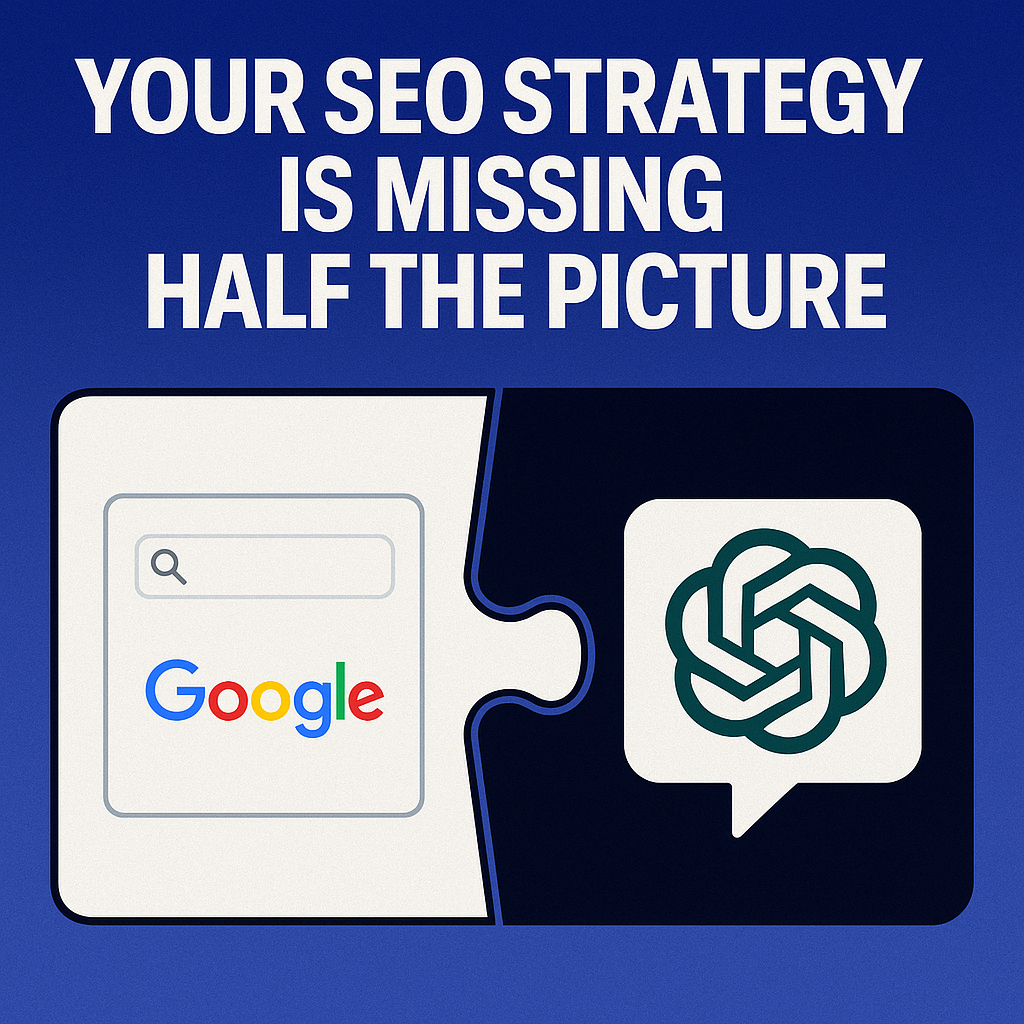
Meanwhile, 58.5% of Google searches end without a click. Your SEO strategy assumed people would visit your site. That assumption just died.
And if you're still measuring success by traffic and impressions, you're tracking metrics that stopped mattering. The companies scaling right now measure pipeline impact and revenue attribution. Everything else is noise.
The AI Integration You Can't Ignore
Here's what's actually happening in SaaS marketing operations right now.
94% of marketers are using generative AI in their workflows. Not experimenting. Using. And they're seeing a 40% boost in lead conversions because they're using it for the right things.
They're not using AI to write generic blog posts. They're using it to personalize outreach at scale, optimize funnel messaging in real time, and identify buying signals before competitors do.
The difference between AI as a toy and AI as a growth driver comes down to application. Smart teams use it to compress time on repetitive tasks so they can focus on strategy. Weak teams use it to produce more mediocre content faster.
If your AI strategy is "let's try ChatGPT for blog posts," you're already behind.
How To Rebuild Your Content Strategy
Your content needs to work in places you can't track. AI engines are pulling from your site to answer questions you'll never see. Communities are discussing your product in threads you're not part of. Your content strategy needs to account for invisible distribution.
Start with authority over volume. Google's E-E-A-T framework rewards expertise and experience. That means your founder needs to be writing. Your product team needs to be explaining. Your customer success team needs to be sharing real use cases.
Generic content optimized for keywords won't cut it anymore. You need perspectives that only your team can provide. You need specificity that demonstrates actual product knowledge. You need examples that prove you've solved the problems you claim to solve.
Build content that earns citations. When AI tools pull information, they cite sources that demonstrate clear expertise. When community members answer questions, they link to resources that actually helped them. Your content needs to be worth referencing, not just ranking.
Signal-Based Strategy Over Volume-Based Tactics
The smartest SaaS teams stopped chasing lead volume. They started chasing buying signals.
They're tracking when prospects engage with pricing pages, not just landing pages. They're monitoring how long people spend in product documentation, not just on the homepage. They're identifying accounts that match their ideal customer profile and showing intent, not just anyone who downloaded a whitepaper.
This shift requires different tools and different metrics. You need to know which accounts are in-market, which stakeholders are researching, and which competitors they're evaluating. You need to trigger outreach based on behavior, not arbitrary lead scores.
The old model was spray and pray. The new model is precision targeting based on real buying signals. It's more work upfront to set up. It's dramatically more efficient once it's running.
Demand Generation That Actually Converts
Most demand gen programs generate demand for the wrong thing. They create awareness but don't build pipeline. They drive traffic but don't influence revenue.
Real demand generation aligns content to buyer stages. Someone researching their problem needs different content than someone evaluating solutions. Someone comparing vendors needs different content than someone ready to buy.
Your funnel probably has gaps between these stages. Prospects enter at the top, get generic nurture emails, then disappear. You need content and touchpoints mapped to each stage of actual buyer progression.
Build a content engine that addresses real questions at each stage. Create comparison guides when prospects are evaluating. Develop ROI calculators when they're building business cases. Provide implementation frameworks when they're ready to commit.
And measure what matters. Not downloads or impressions. Pipeline influenced, opportunities created, revenue attributed. If your demand gen team can't connect their work to closed revenue, they're running brand awareness campaigns and calling it demand gen.
Community-Led Growth Before Paid Ads
Paid ads are getting expensive and less effective. The companies scaling efficiently right now are building community first.
They're creating spaces where their ideal customers gather to solve problems. Not to hear sales pitches. To get actual help from peers who understand their challenges.
This means showing up in existing communities before building your own. Join the Slack groups where your prospects hang out. Contribute to Reddit threads about problems your product solves. Answer questions on LinkedIn without pitching.
When you do build your own community, make it valuable independent of your product. Provide frameworks, templates, and peer connections that help people whether they buy from you or not. The trust you build becomes the foundation for growth.
This approach takes longer than buying ads. It also costs less and converts better once it's working. Because people trust recommendations from peers more than they trust your marketing.
GTM Strategy For Faster Launches
Most SaaS companies launch too slow because they're trying to perfect everything. The fast movers launch with clarity on three things: who they're targeting, what problem they're solving, and how they're different.
Everything else can evolve.
Your first GTM motion should focus on a specific segment with a specific pain point. Not "mid-market companies" but "Series A SaaS companies struggling with product-led growth conversion." Not "better analytics" but "attribution that connects product usage to revenue."
Specificity creates clarity. Clarity enables faster decisions. Faster decisions mean shorter sales cycles.
Build your messaging around the outcome, not the features. Your prospects don't care about your technology stack. They care about reducing CAC, improving activation rates, or shortening time to value. Lead with the business impact, then explain how you deliver it.
And test your positioning with real prospects before you scale. Run five sales calls. If your pitch resonates, double down. If prospects look confused, you haven't found clarity yet.
What To Do Next Week
Pick one thing from this list and implement it in the next seven days.
Audit your content for buyer-stage alignment. Map every piece of content to a specific stage in your buyer's journey. Identify the gaps. Fill the biggest one.
Set up signal-based tracking. Implement tools that show you when target accounts visit your pricing page, read your documentation, or engage with competitive content. Build a workflow that triggers outreach based on these signals.
Start writing founder-led content. Your founder should publish one piece per week that demonstrates specific expertise. Not generic thought leadership. Specific insights from building your product and serving your customers.
Join three communities where your prospects gather. Spend 30 minutes per week providing genuine value. No pitching. Just helping.
Review your demand gen metrics. If you're measuring downloads and impressions instead of pipeline and revenue, change your dashboard. You can't optimize for outcomes you're not tracking.
The SaaS companies that scale efficiently in 2026 won't be the ones with the biggest budgets. They'll be the ones who adapted fastest to how buyers actually make decisions now.
Your growth engine needs rebuilding. The good news is you can start today.
About the Author

Related Article

How to Build a Hybrid GTM Strategy That Actually Converts in 2026
Demand Gen vs Growth Marketing: Which Drives More Pipeline in 2026?




.png)


.png)

.jpg)


.jpg)


