.avif)



Your referral stream is becoming someone else's acquisition target.
While you're focused on census and admissions, health systems are buying the independent practices that send you patients. They're not doing it for the physician revenue. They're doing it for the referral control.
The data is clear: when a health system acquires a physician practice, patients become 33.4 percentage points more likely to choose that system's facilities. That shift happens fast, and it's structural—not based on relationships or service quality.
If your growth depends on independent physician referrals, you're sitting on borrowed time. The question is whether you'll build defenses before consolidation reaches your market, or watch your referral volume evaporate as practices get absorbed.
The Real Cost of Referral Leakage in a Consolidating Market
Health systems lose between $200 million and $500 million annually to referral leakage. For organizations with 100 affiliated providers, that translates to $78 million to $97 million per year walking out the door.
But here's what matters more for smaller healthcare organizations: the leakage rate across healthcare systems sits between 55% and 65%. More than half of potential in-network referrals leave the system.
You're competing against structural advantages you can't match. Large health systems don't win referrals through better service or stronger relationships. They win through workflow integration.
When a physician works inside a health system, referring to that system's facilities becomes the default. The EMR is integrated. Scheduling is direct. Insurance verification is automatic. Care coordination is built in.
Your physician liaison can't compete with that.
.png)
Why Traditional Referral Strategies Fail Against Consolidation
Most healthcare organizations treat referral development as a relationship problem. You hire liaisons, send them to practices, build rapport with physicians, and hope the referrals follow.
That approach worked when physicians were independent and had real choice in where they sent patients.
It doesn't work when those physicians get acquired.
Research shows that 66% of physicians are very unlikely to modify referral patterns without active communication from a liaison. But even with regular contact, you're fighting against something stronger than preference: you're fighting against friction.
Physicians refer to the same providers repeatedly because it's easier. 91% of providers think access to specialty information is very important, but 7 in 10 refer to the same provider for a given specialty.
This isn't loyalty. It's workflow efficiency.
When health systems acquire practices, they don't ask physicians to change their referral patterns. They change the path of least resistance. Suddenly, referring inside the system is faster, simpler, and less administratively burdensome than referring outside.
Your relationship-based strategy can't overcome that structural advantage.
Building Structural Interdependence: Making Your Facility the Path of Least Resistance
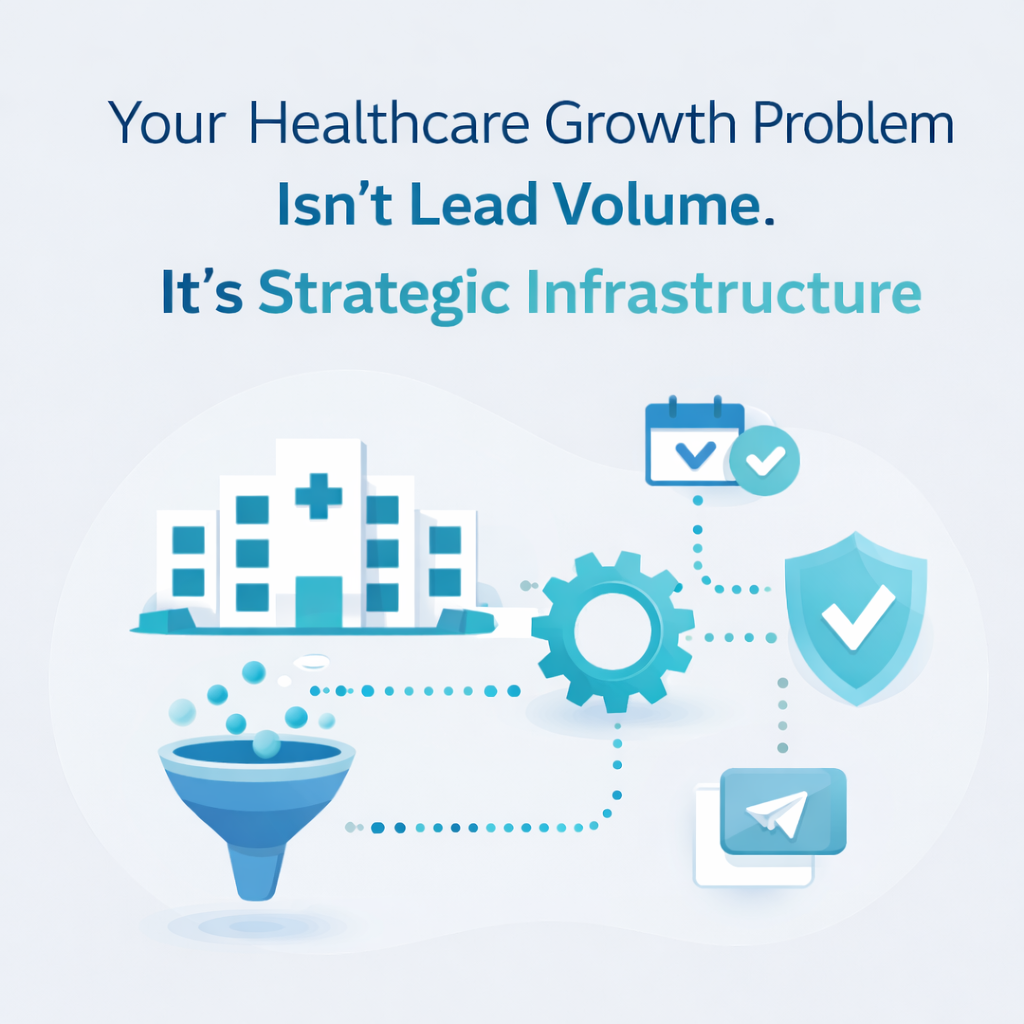
If you want to defend your referral stream in a consolidating market, you need to stop thinking about relationships and start thinking about systems.
The goal is simple: make referring to your facility easier than referring anywhere else.
Here's how you do it.
1. Integrate Into the Referring Physician's Workflow
Physicians need specific information to make referrals: subspecialty focus, availability, acceptance of specific insurance, and whether the specialist can handle the clinical complexity of the case.
The problem? 91% to 96% of physicians say these details are highly important, but only 57% to 63% report having access to them.
That gap is your opportunity.
You need to embed your facility's information directly into the referring physician's decision-making process. This means:
- Real-time availability visibility: Physicians should know your bed availability, specialist schedules, and intake capacity without making a phone call.
- Direct scheduling access: Remove the fax-and-wait process. Only 54% of faxed referrals result in scheduled appointments, and it takes an average of 21 days. If you can let physicians schedule directly, you eliminate that friction.
- Integrated referral documentation: Make it easy for physicians to send patient records, insurance information, and clinical notes without duplicating effort.
When referring to your facility becomes faster and simpler than the alternatives, you win by default.
2. Create Operational Dependencies That Strengthen Over Time
The most defensible referral relationships are the ones where pulling away creates operational pain for the referring provider.
Health systems understand this. When they acquire a practice, they don't just integrate the EMR. They integrate billing, compliance reporting, care coordination, and quality metrics. Switching referral patterns means disrupting all of those systems.
You can build similar dependencies without acquiring practices:
- Shared care coordination: If your intake team actively supports the referring physician's care transitions, discharge planning, and follow-up communication, you become operationally valuable—not just a referral destination.
- Clinical feedback loops: Physicians want to know what happened to the patients they referred. Provide structured, timely updates on patient outcomes, and you create an information dependency that's hard to replace.
- Administrative support: Help referring physicians with insurance authorizations, documentation requirements, and compliance paperwork. The more administrative burden you remove, the harder it becomes for them to switch.
These dependencies compound. The longer a physician works with your facility, the more embedded you become in their operations.
3. Build Trust Through Transparency and Consistency
In healthcare, trust is operational—not emotional.
Physicians trust facilities that deliver predictable outcomes, handle admissions smoothly, and don't create problems for their patients. If your facility consistently executes well, physicians will keep referring because switching introduces risk.
Here's what operational trust looks like:
- Transparent capacity communication: Don't accept referrals you can't handle. If you're at capacity, say so immediately. Physicians remember when you waste their time.
- Reliable intake processes: Every referral should follow the same process with the same timeline. Inconsistency creates uncertainty, and uncertainty drives physicians to look elsewhere.
- Proactive problem resolution: When issues arise, address them before the referring physician has to follow up. Anticipating problems builds trust faster than fixing them after complaints.
Trust-based referral patterns are harder to disrupt than convenience-based ones. If a health system acquires a practice, the physician may face pressure to refer internally—but if your facility has earned operational trust, that physician will resist longer.
4. Reduce Information Asymmetry
One reason health systems dominate referrals is information access. Physicians inside a system know which specialists are accepting patients, which facilities have capacity, and which services are covered by specific insurance plans.
Independent physicians referring to your facility often don't have that clarity.
You need to close that gap:
- Publish real-time service availability: Make it easy for referring physicians to see what services you offer, which specialists are available, and what insurance you accept.
- Provide clear referral criteria: Physicians shouldn't have to guess whether a patient qualifies for your services. Spell out clinical criteria, insurance requirements, and geographic coverage.
- Offer direct access to decision-makers: When a physician has a complex case, they need to talk to someone who can make intake decisions immediately—not leave a voicemail and wait.
The easier you make it for physicians to understand how to work with you, the more likely they are to keep referring.
The Long-Term Play: Becoming Operationally Irreplaceable
Health systems acquire practices to control referrals. But they can't acquire every practice, and even when they do, the integration process takes time.
Your advantage is speed and focus.
You can build workflow integration, operational dependencies, and trust-based relationships faster than a health system can absorb and restructure an acquired practice. If you move now, you can create referral moats that are expensive and disruptive to break.
The physicians who refer to you today may eventually get acquired. But if you've embedded your facility deeply enough into their clinical workflows, the acquiring health system will face a choice: disrupt established referral patterns and risk physician dissatisfaction, or allow those referrals to continue.
That's the defensible position you're building toward.
What This Means for Your Organization
Referral leakage is a system problem, not a relationship problem.
If your growth strategy depends on physician liaisons maintaining personal relationships, you're vulnerable. Consolidation will eventually reach your market, and when it does, relationships won't protect your referral stream.
You need to build structural interdependence—systems that make referring to your facility the easiest, most reliable option for independent physicians. The more friction you remove, the more operational value you provide, and the more trust you earn, the harder it becomes for consolidation to disrupt your referrals.
This approach takes time. It requires investment in technology, process design, and operational discipline. But the alternative is watching your census decline as independent practices disappear and referrals shift to integrated health systems.
The question is whether you'll start building defenses now, or wait until the practices that send you patients are no longer independent.
If you want help diagnosing where your referral vulnerabilities are and what systems would actually protect your census, we can walk through that with you.
No pressure. Just clarity on what's at risk and what you can do about it.
About the Author




.svg)
.svg)


.png)














.png)


.png)

.jpg)


.jpg)


