.avif)



You've said it before. Maybe to a consultant, maybe to your leadership team, maybe just to yourself.
"We're not ready for marketing yet."
It sounds reasonable. Responsible, even. Why spend money on marketing when your systems aren't perfect? Why drive more patient inquiries when you're still figuring out your intake process?
But here's what that statement actually reveals: you don't have clarity on how growth happens in your organization.
And without that clarity, you're not delaying marketing. You're delaying revenue.

The Real Problem Hiding Behind "Not Ready"
When healthcare operators say they're not ready for marketing, they're usually pointing to one of four gaps:
Your intake system is unclear. You don't know how long it takes from first contact to scheduled appointment. You're not sure who handles what. Forms get lost. Follow-ups don't happen consistently.
Your acquisition channels are unstructured. Referrals come in when they come in. You don't have a predictable way to generate patient demand. You're relying on word of mouth and hoping it scales.
Your messaging isn't defined. You can't clearly explain what makes your practice different. Your website says the same things every competitor says. Patients don't understand why they should choose you.
Leadership lacks visibility into predictable growth. You don't know your cost per acquisition. You can't forecast next quarter's patient volume. Growth feels random, not systematic.
These aren't marketing problems. They're operational clarity problems.
And the longer you wait to address them, the more expensive they become.

What Happens When You Scale Marketing on a Broken System
Let's say you decide to move forward anyway. You launch campaigns. You drive traffic. Inquiries start coming in.
Then reality hits.
Your front desk can't handle the volume. Patients wait days for callbacks. Intake forms sit incomplete. Scheduling conflicts pile up. The experience doesn't match the promise.
According to recent data, manual intake errors cost clinics thousands of dollars each month, with per-patient intake expenses ranging from $14–23 and rework of denied claims costing $25–117 per claim.
You're not just wasting marketing dollars. You're damaging trust.
Patients who have a poor intake experience don't come back. They don't refer friends. They leave reviews that make the next campaign harder.
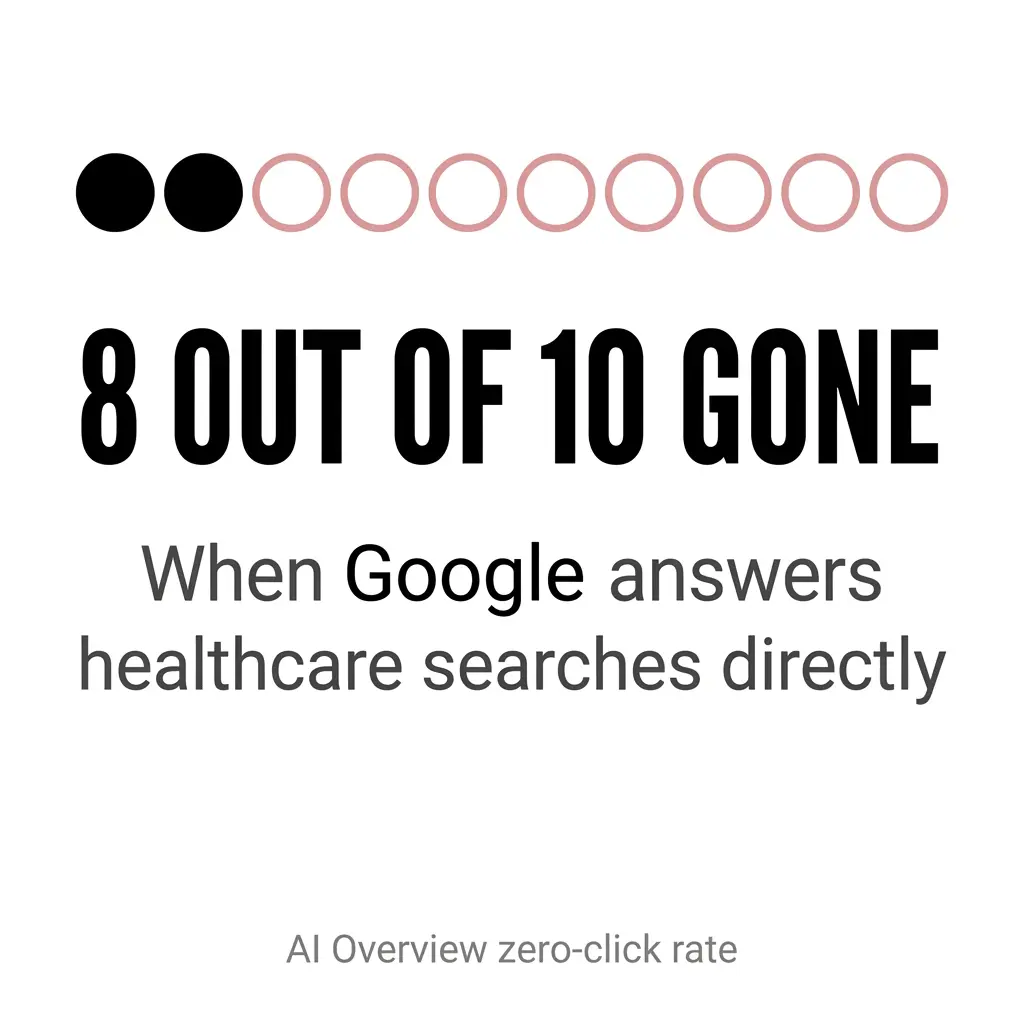
The problem compounds. Patient churn in healthcare sits at 48%, higher than the new patient growth rate of 45%. You're acquiring patients faster than your operations can retain them.
Marketing didn't fail. Your system did.
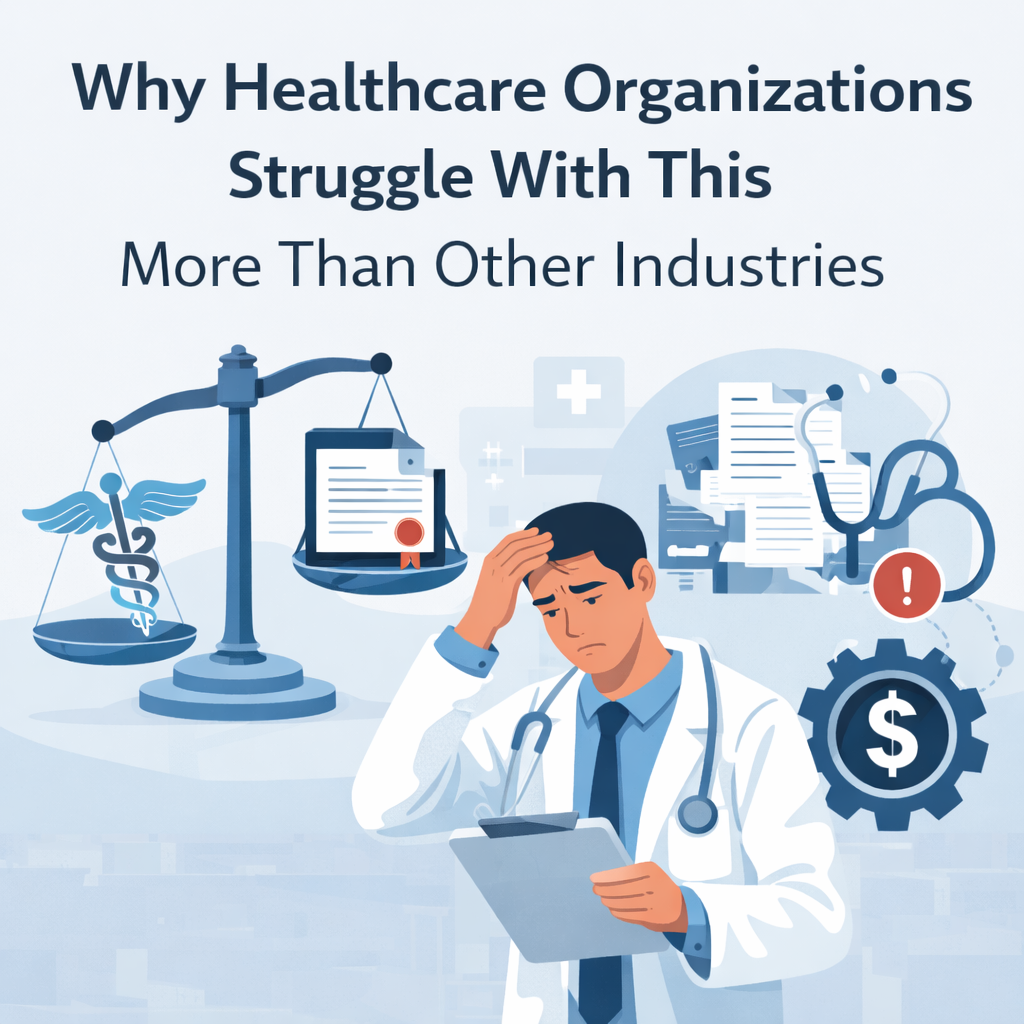
Why Healthcare Organizations Struggle With This More Than Other Industries
Healthcare is different. The stakes are higher. The regulations are tighter. The operations are more complex.
In most industries, you can test fast and fix problems on the fly. In healthcare, you need systems that work before you scale them.
Administrative activities consume approximately 25% of total healthcare spending in the United States. Patient intake sits at the heart of this burden: verifying demographics and insurance, collecting clinical histories, obtaining consent, documenting encounters.
When you add marketing pressure to an already strained system, the cracks widen.
Campaigns promoting same-week appointments fail if scheduling or staffing can't handle the influx. Your marketing promises need to match your actual capacity.
This is why so many healthcare organizations delay marketing. They sense the misalignment. They know something isn't right.
But the solution isn't to wait. It's to diagnose.

What Readiness Actually Looks Like
You don't need perfect systems to start marketing. You need clear systems.
Here's what that means in practice:
You know your patient journey. From first contact to scheduled appointment, you can map every step. You know where delays happen. You know who owns each handoff.
You have defined intake capacity. You know how many new patient inquiries you can handle per week without breaking your operations. You've built your systems to support that volume.
Your messaging is specific. You can clearly articulate what you do, who you serve, and why patients should choose you. Your team can repeat this consistently.
You track the metrics that matter. You know your cost per acquisition. You know your conversion rate from inquiry to appointment. You know your patient lifetime value.
You have visibility into growth. Leadership can forecast patient volume based on marketing investment. Growth feels predictable, not random.
When these elements are in place, marketing becomes a lever you can pull with confidence.
Without them, marketing is a gamble.
The Hidden Cost of Waiting
Every month you delay addressing these gaps, you're losing revenue.
Not just from the patients you're not acquiring. From the inefficiency built into your current operations.
Healthcare marketing budgets dropped from 9.6% of total revenue in 2023 to 7.2% in 2024. CMOs are being asked to do more with less while proving measurable returns to CFOs and boards.
This pressure makes operational readiness even more critical. Every dollar you spend needs to work.
But here's what most organizations miss: the cost of delay is often higher than the cost of imperfection.
Waiting for perfect systems means you're not learning. You're not testing. You're not building the muscle memory your team needs to handle growth.
The organizations that grow aren't the ones with perfect operations. They're the ones with clear operations and the willingness to improve as they scale.
How to Know If You're Actually Ready
Ask yourself these questions:
Can you explain your patient acquisition process in three sentences or less? If your team can't clearly describe how patients move from awareness to appointment, you don't have a system. You have hope.
Do you know what happens to every patient inquiry? If inquiries come in and you're not sure who followed up or when, you have a tracking problem that marketing will expose.
Can you forecast next quarter's patient volume? If growth feels unpredictable, you're missing the data you need to make informed marketing decisions.
Do your operations match your marketing promises? If your campaigns promote fast scheduling but patients wait weeks for appointments, you're building distrust at scale.
Can you articulate what makes you different? If your messaging sounds like every other practice in your area, patients have no reason to choose you over competitors.
If you answered no to more than one of these questions, you don't have a marketing readiness problem. You have a growth clarity problem.
And that's actually good news. Because clarity is solvable.

What a Healthcare Growth Consultation Actually Does
A growth consultation isn't a sales pitch. It's a diagnostic conversation.
The goal is simple: identify where your growth system breaks down before you invest in scaling it.
Here's what that looks like:
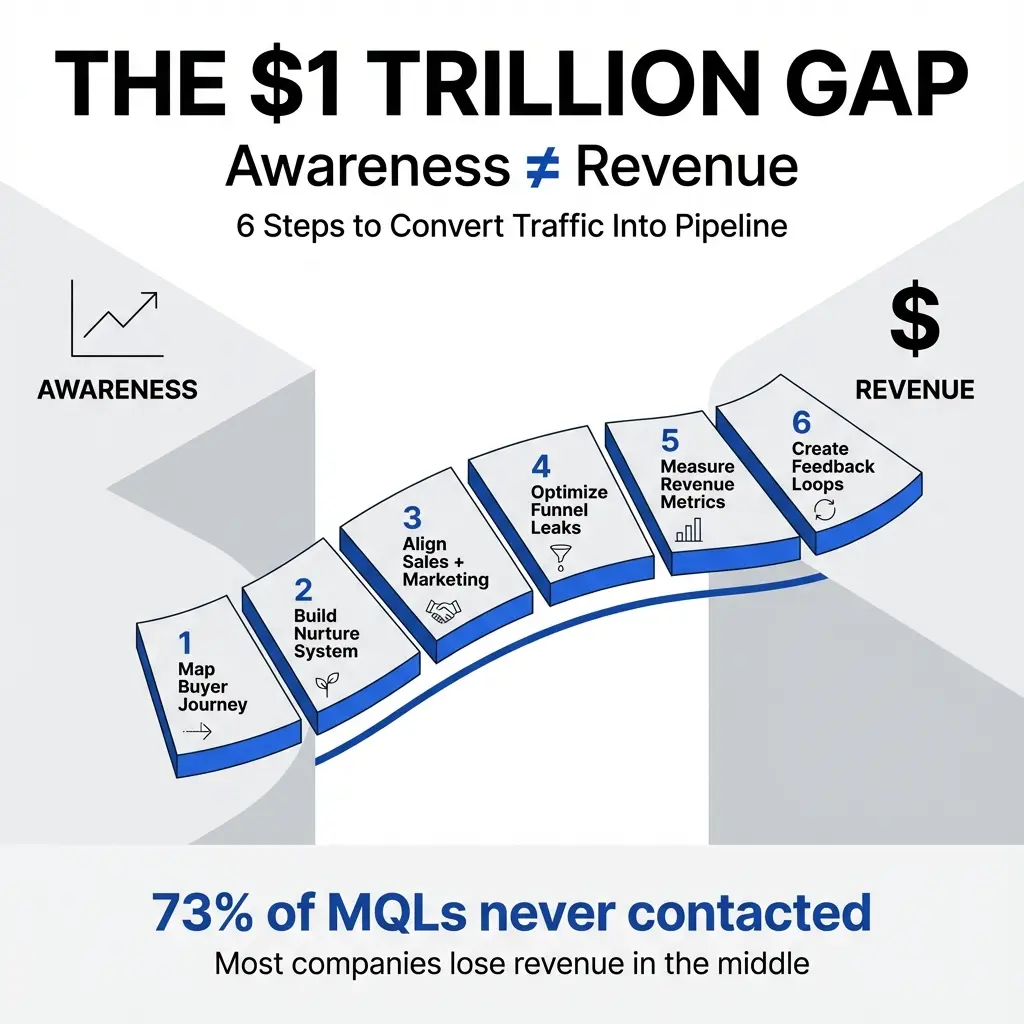
We map your current patient acquisition process. From first contact to scheduled appointment, we document every step. We find the bottlenecks, the gaps, and the places where patients fall through the cracks.
We assess your intake capacity and efficiency. We look at how many inquiries you can handle, how quickly you respond, and where operational friction slows conversion.
We evaluate your messaging and positioning. We review how you communicate value to patients and whether your differentiation is clear and compelling.
We identify your growth constraints. We determine whether your challenge is awareness, conversion, capacity, or retention. Each requires a different solution.
We provide a clear recommendation. You walk away knowing whether to fix operations first, refine messaging, or move forward with marketing investment.
This isn't about convincing you to spend more. It's about helping you spend smart.
Because the worst outcome isn't investing in marketing and failing. It's investing in marketing when your operations aren't ready to convert it.
The Path Forward
If you've been saying "we're not ready for marketing yet," you're probably right.
But not for the reasons you think.
You're not ready because you don't have clarity on how growth happens in your organization. You're not ready because your systems aren't documented, your messaging isn't defined, or your leadership doesn't have visibility into what drives predictable patient volume.
The solution isn't to wait until everything is perfect. It's to diagnose what's broken and fix it systematically.
Start by mapping your patient acquisition process. Document every step from first contact to scheduled appointment. Identify where delays happen and who owns each handoff.
Define your intake capacity. Know how many new patient inquiries you can handle per week without breaking your operations.
Clarify your messaging. Make sure your team can articulate what you do, who you serve, and why patients should choose you.
Track the metrics that matter. Know your cost per acquisition, your conversion rate, and your patient lifetime value.
Build visibility into growth. Make sure leadership can forecast patient volume based on marketing investment.
When these elements are in place, marketing becomes a tool you can use with confidence.
And if you're not sure where to start, that's what a healthcare growth consultation is for.
Not to sell you services. To give you clarity on what needs to happen next.
Because the organizations that grow aren't the ones waiting for perfect conditions. They're the ones that seek clarity, fix what's broken, and move forward with intention.
Get a free consultation. No pressure. Just clarity on your growth system and what needs to happen next.
About the Author



.svg)
.svg)


.png)













.png)


.png)

.jpg)


.jpg)


